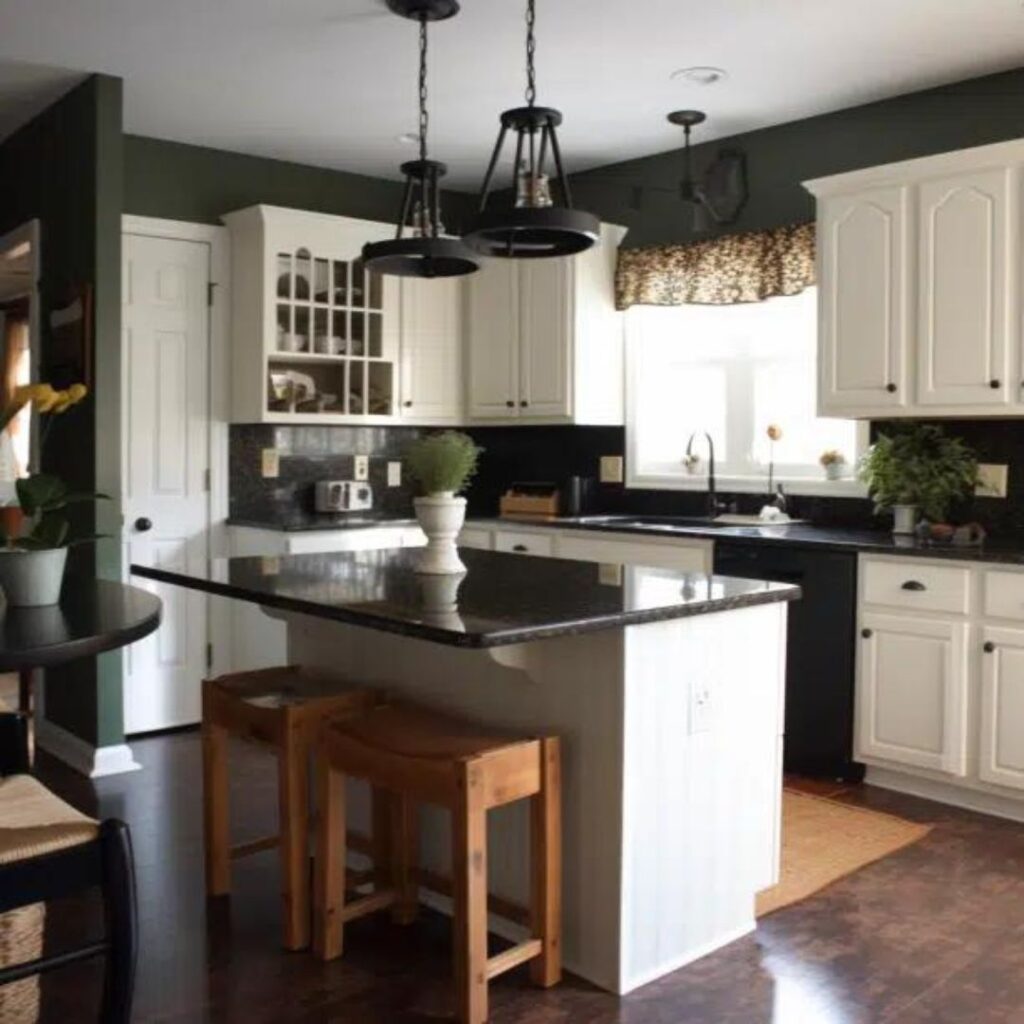
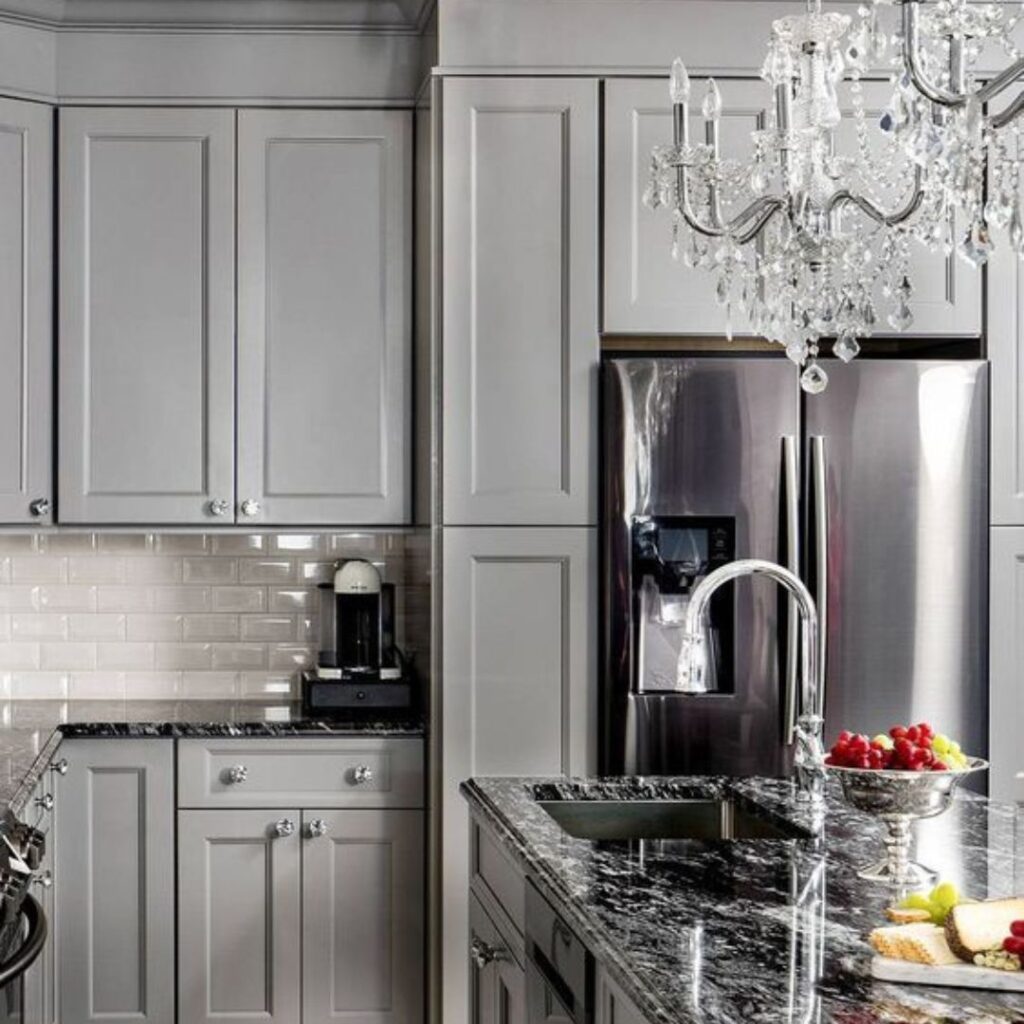
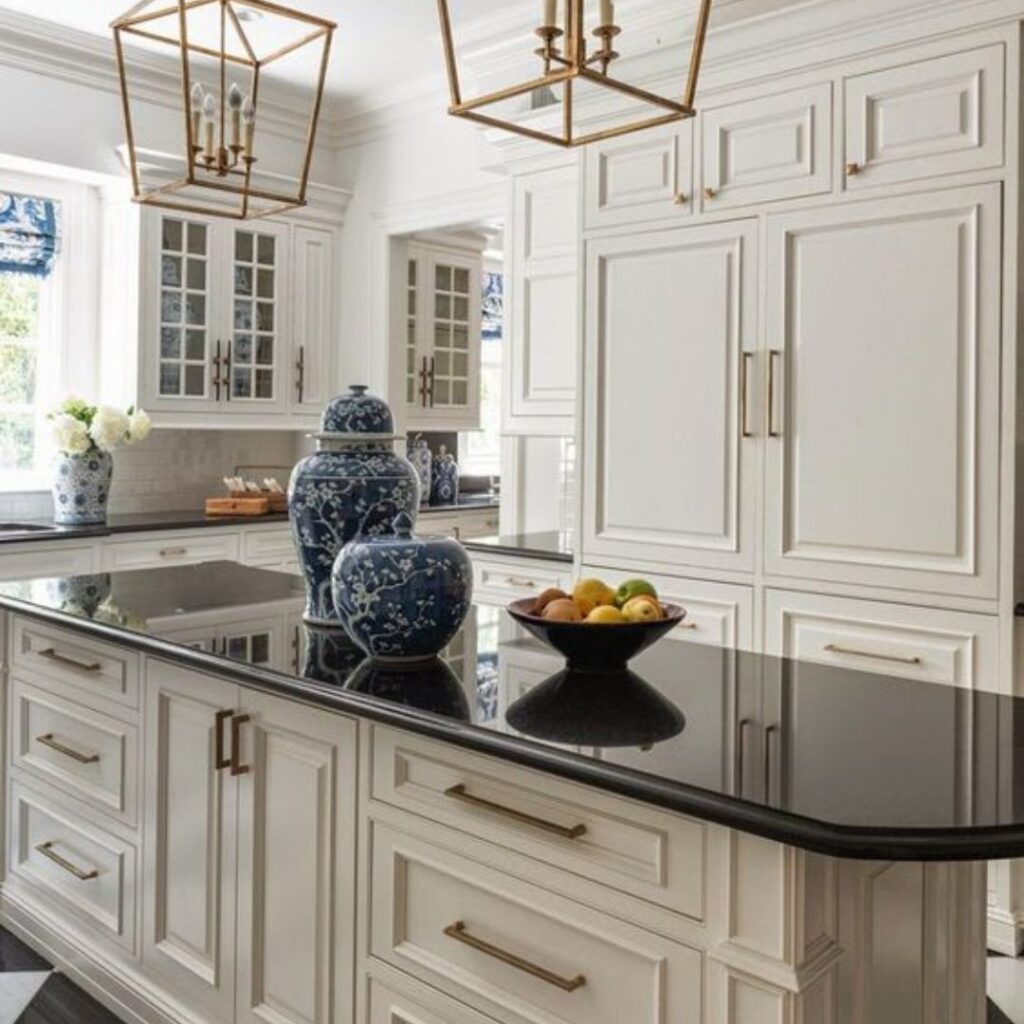
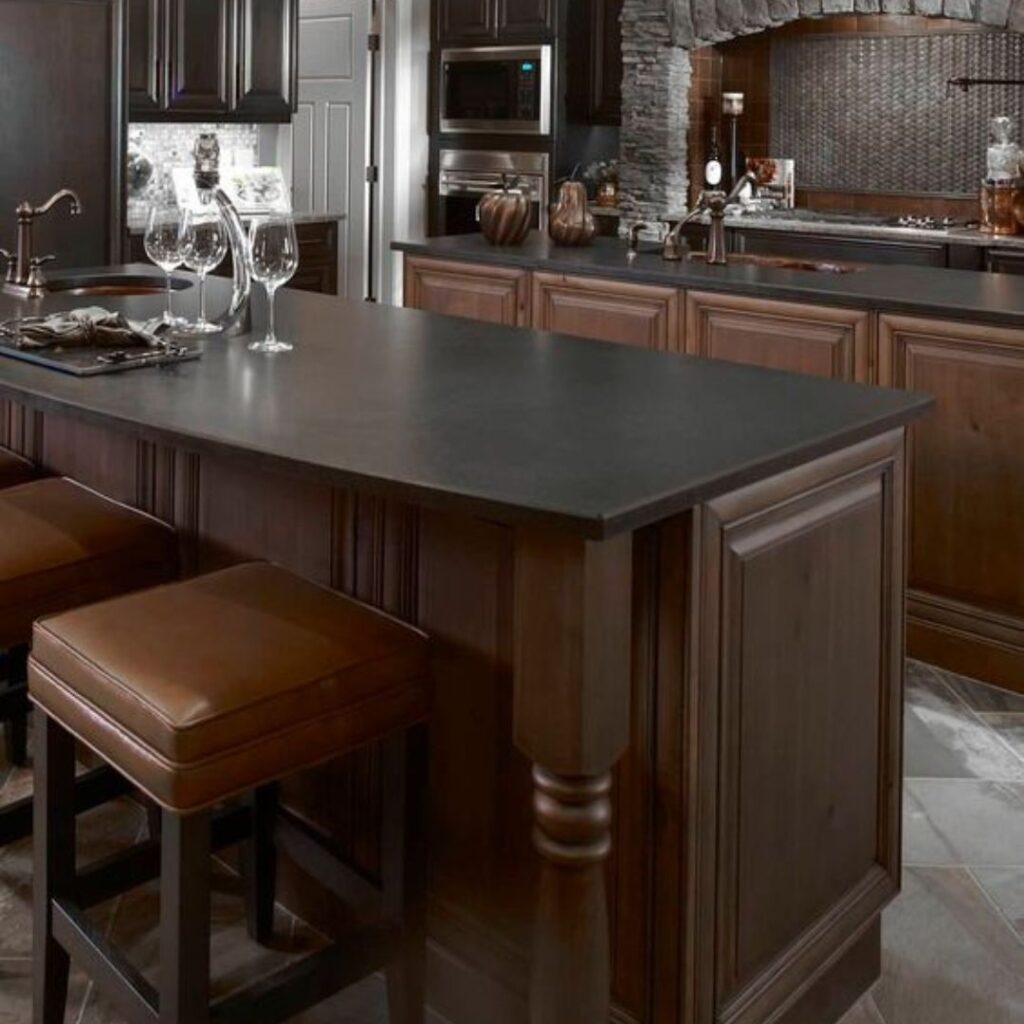
Granite Countertop Cost in Maryland
An honest, no-bait pricing guide written from inside our fabrication shop. How granite slabs are priced, how to pick a slab the right way, and what drives cost up.
The biggest variable in granite pricing isn't the fabricator. It's the slab itself. Two kitchens of the same size can have quotes $5,000 apart purely because of which slab the homeowner fell in love with. That's the part most cost guides skip — and the part that matters most for your actual budget.
This guide walks through what's included in a per-square-foot granite price, how granite slabs are actually priced, how to pick a granite slab the right way, the add-ons that move the price, and real cost examples for small, mid-sized, and large Maryland kitchens.
We've fabricated and installed granite countertops across Maryland for 15+ years out of our facilities in Eldersburg and Columbia, with no subcontractors at any step. The numbers below reflect real Maryland projects — but the framework for understanding how granite pricing works applies anywhere in the country.
The "$39.99 per sq ft" advertised price is almost never the real price
You'll find Maryland fabricators advertising granite "starting at $39.99 per square foot installed." That number is almost always the slab and basic install only. Sink cutouts, edge profiles, sealing, templating, and delivery are added back as line items. By the time the real quote arrives, the same project is usually $65–$80 per square foot.
Our prices below reflect what most homeowners actually walk out paying — slab, fabrication, standard edge, sink cutouts, sealing, templating, delivery, and installation, all included. When you compare quotes, ask the other fabricator to itemize. If their headline number is half of ours, the line items will tell you why.
Quick price snapshot
The per-square-foot price is driven by the slab itself. Three tiers within granite:
Material Tier Pricing
The base price covers slab, fabrication, standard edge, sink cutouts, sealing, templating, delivery, and installation. Add-ons and additional services apply across all three tiers and are covered below.
Why you'll see $39.99/sq ft granite ads
We mentioned the bait-pricing problem up top. Here's the full breakdown of what those headline numbers typically leave out:
- Sink cutouts — usually $150–$300 each, and most kitchens have 1–2
- Edge profiles — anything beyond a basic eased edge gets upcharged
- Radius and curved cuts — corners, rounded islands, custom shapes
- Sealing — sometimes excluded on the advertised price, then added back
- Templating — occasionally listed as a separate fee
- Delivery — broken out as its own line on some quotes
By the time the real quote arrives, that $39.99/sq ft job is often $65–$80/sq ft — sometimes higher. We don't quote that way. Our starting price reflects what most homeowners actually need to walk out with finished granite countertops. The only things we break out separately are the optional services not every project needs.
How granite slabs are priced
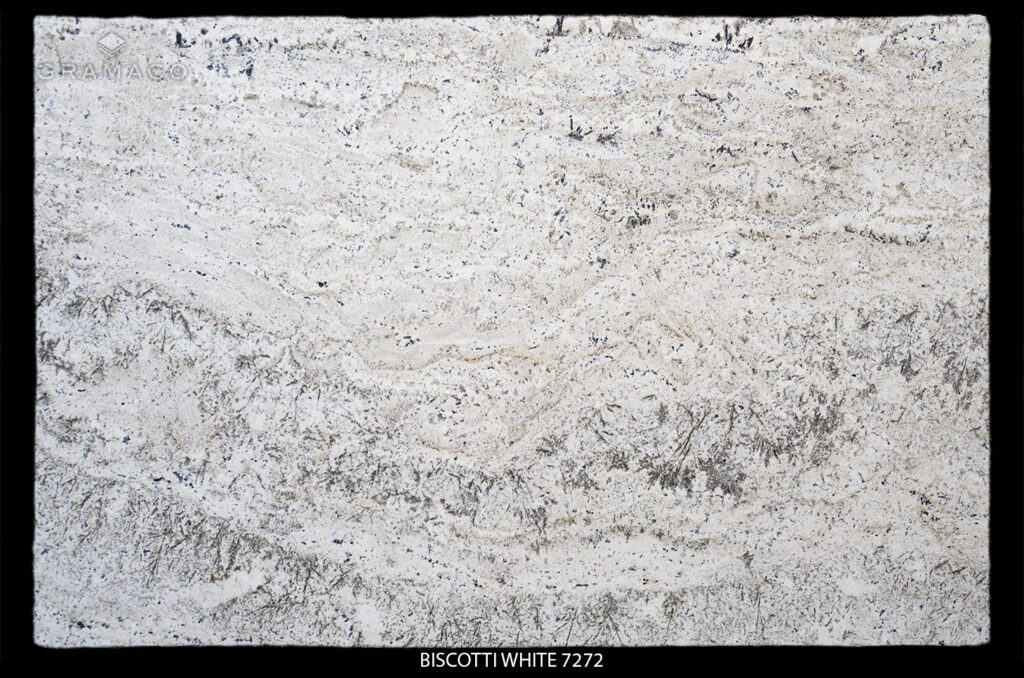
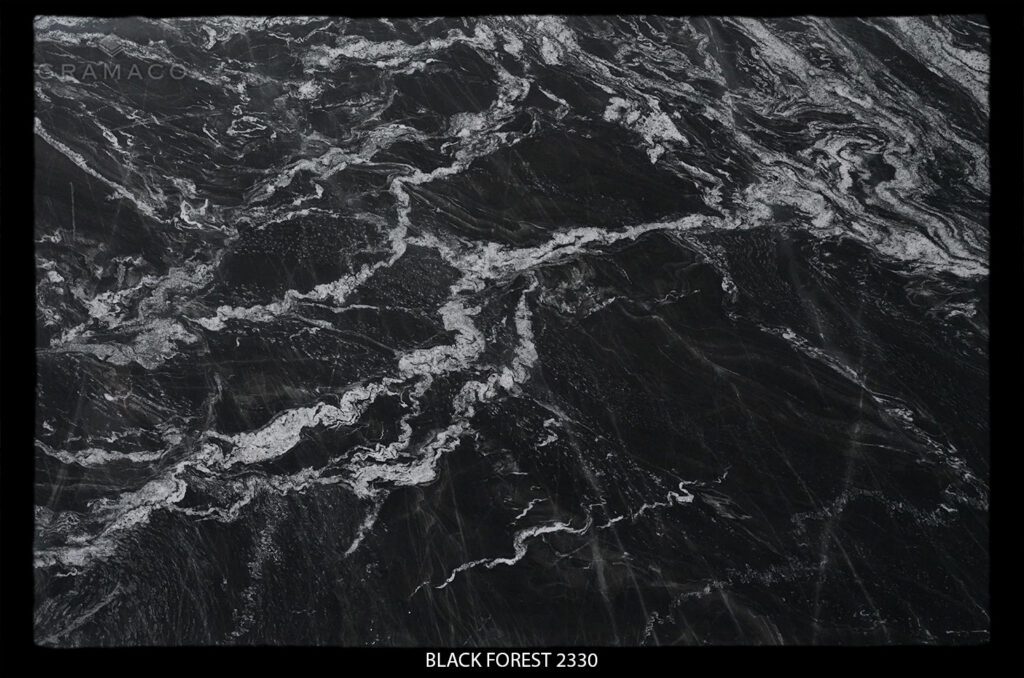
Granite is different from engineered stone in one fundamental way: every slab is unique. Even within the same color name ("Fantasy Brown," "Black Pearl," "Blue Pearl"), no two slabs are identical, and pricing reflects scarcity, sourcing, and visual quality.
Granite is generally sorted into pricing tiers by the supplier based on:
- Country of origin — Brazil, India, Italy, Norway, China, and the U.S. each produce different granite varieties at different price points
- Rarity of the color and pattern — common gray and beige granites are widely available; deep blues, vivid reds, and exotic movement are rare
- Quality of the cut — bookmatched slabs (where two slabs mirror each other) cost more
- Quarry economics — when a quarry's production drops, prices on those slabs rise
Two practical implications: first, the "color" you pick affects the tier as much as the brand does in quartz — picking Fantasy Brown vs. Black Pearl vs. Volga Blue puts you in completely different tiers. Second, slab selection happens in person. Quartz can be picked from a sample because it's manufactured to be consistent. Granite cannot — the exact slab you'll receive needs to be the one you saw.

How to actually pick a granite slab
This is the section most cost guides skip, and it's the section that determines whether you love your countertops or live with regret. Granite buyers who skip this step often end up disappointed because the slab they receive doesn't look like the sample they approved.
The right way to pick granite:
- Walk full slabs in person. Not samples. Not photos. The actual slabs that will become your countertops. We start in our Eldersburg or Columbia showroom and take customers to multiple manufacturer warehouses across our area to see full slabs in person.
- Look at the slabs in natural light if possible. Showroom lighting can flatten the depth of the color. The best granite warehouses have natural light in part of the facility specifically for this reason.
- Visualize the layout on the slab. A slab with heavy movement on one end and calmer pattern on the other can be cut so the dramatic part runs across your island and the calmer part runs along the back wall. We do this layout planning during templating before any cuts are made.
- Watch for variation between slabs of the "same" stone. If your kitchen needs more than one slab, the slabs need to be visually compatible. At minimum, they should come from the same block (consecutive cuts from the same quarried chunk).
- Ask about the seam plan before you buy. Where the seams fall affects how the pattern reads. A great fabricator plans seams to fall in low-visibility spots and to use the slab's natural breaks in pattern.
This whole process is included in your project — we don't charge extra for slab selection support. It's the most important decision you'll make and it shouldn't feel rushed.
Add-ons and additional services
These line items apply to any granite tier and are the reason two identical-looking quotes can differ by thousands.
Edge profile upgrades
Standard eased edge is included. Beveled, ogee, and full bullnose add a modest upcharge. Mitered or laminated edges add a higher upcharge — these double the visual thickness of the stone. Waterfall edges are the highest. A note on edges in granite specifically: granite's natural pattern variation makes mitered and laminated edges trickier than in quartz — the fabricator has to align the pattern across the joint so the seam reads as part of the stone.
Full-height (slab) backsplash
A standard 4-inch backsplash is minor. A full-height backsplash uses significantly more material and dramatically increases project cost. With granite specifically, full-splash extends the natural movement of the stone up the wall, which can be stunning — but it requires careful slab planning to make sure the pattern continues sensibly.
Old countertop removal and disposal
| Removing | Difficulty | Relative cost |
|---|---|---|
| Laminate or Corian | Easiest | Lowest |
| Granite or quartz | Moderate | Higher |
| Tile countertops | Hardest | Highest |
Tile is the most expensive to remove because it's typically set in mortar over a substrate that has to come out cleanly without damaging the cabinets below. Laminate and Corian come off quickly with hand tools.
Other add-ons
Plumbing disconnect and reconnect is a separate line — we handle this in-house with our own crew. Sink and cooktop cutouts beyond the first 1–2 add cost per cutout; farmhouse sinks require custom cutouts. Tile backsplash work is a separate scope we do in-house. Support brackets are required for island overhangs longer than 10–12 inches.
Sealing: what you need to know
Granite is a natural stone and is mildly porous, which means it benefits from periodic sealing. This is the maintenance trade-off you accept in exchange for granite's heat resistance and unique natural beauty.
- Initial seal is included. Every granite countertop we install gets a high-quality penetrating sealer applied before the install is complete. This protects against staining and water absorption from day one.
- Resealing is a 10-minute homeowner job. Wipe on a granite sealer, wait the recommended time, wipe off the excess. You don't need a contractor.
- Frequency varies by stone. Dense granites (most blacks, dense browns) may only need resealing every 5–7 years. More porous granites (some whites, lighter colors) may benefit from resealing every 2–3 years. We tell you what your specific stone needs at install.
- The "water test" tells you when. Drop water on the countertop. If it beads up, sealer is good. If it absorbs within a few minutes, it's time to reseal.
Sealing is not a constant chore — most homeowners reseal once every few years and forget about it in between. If a fabricator tells you granite is "high maintenance," they're either misinformed or steering you toward a higher-margin product. Granite is one of the most durable countertop surfaces ever installed in a kitchen.
Real cost examples for Maryland kitchens
These are realistic project ranges based on typical Maryland layouts. Final cost depends on which slab and tier you choose and which add-ons your project includes.
Small kitchen (~30 sq ft): Galley or apartment-style. One sink, basic edge, standard 4-inch backsplash, replacing existing laminate. Most projects land in the low thousands at the starting tier.
Mid-sized kitchen (~50 sq ft): Most common Maryland kitchen — L-shape with island, undermount sink, cooktop, eased or beveled edge. Replacing existing laminate with a starting-tier slab lands in the low-$3,000s. Same kitchen with a mid-range slab (Fantasy Brown, White Ice), upgraded edge, full backsplash, and a tile-removal scope can land in the high-$4,000s to $6,000s.
Large kitchen (~70+ sq ft): Big island with overhang, multiple cutouts, full-height backsplash, premium edge profile. A premium exotic slab (Blue Bahia, Volga Blue, dramatic Brazilian) with these upgrades and existing-granite removal can push these projects well into five figures. Truly exotic granite kitchens can run $15,000+ purely because of slab cost.
Ready for a real quote on your kitchen?
Free in-home estimate. Line-itemed, no surprises. Most quotes back within 24 hours.
Is granite right for you?
Granite is the right call if
- You cook with hot pans constantly and don't want to think about trivets
- You love the look of natural stone — the variation is the point
- You're doing an outdoor kitchen — granite is fully UV-stable, quartz is not
- You want a one-of-a-kind countertop nobody else has
- You're okay with a 10-minute resealing job every 3–5 years
Granite may not be the best call if
- You want a perfectly consistent look across multiple slabs — that's quartz territory
- You hate the idea of any maintenance, even minor — quartz needs none
- You want a specific designer pattern (Calacatta-look, Carrara-look) — that's quartz or marble
Frequently asked questions
Ready for a real number on your kitchen?
Free in-home estimate. Most line-itemed quotes back within 24 hours.
Schedule My Free Estimate Or call us directly (410) 875-7579



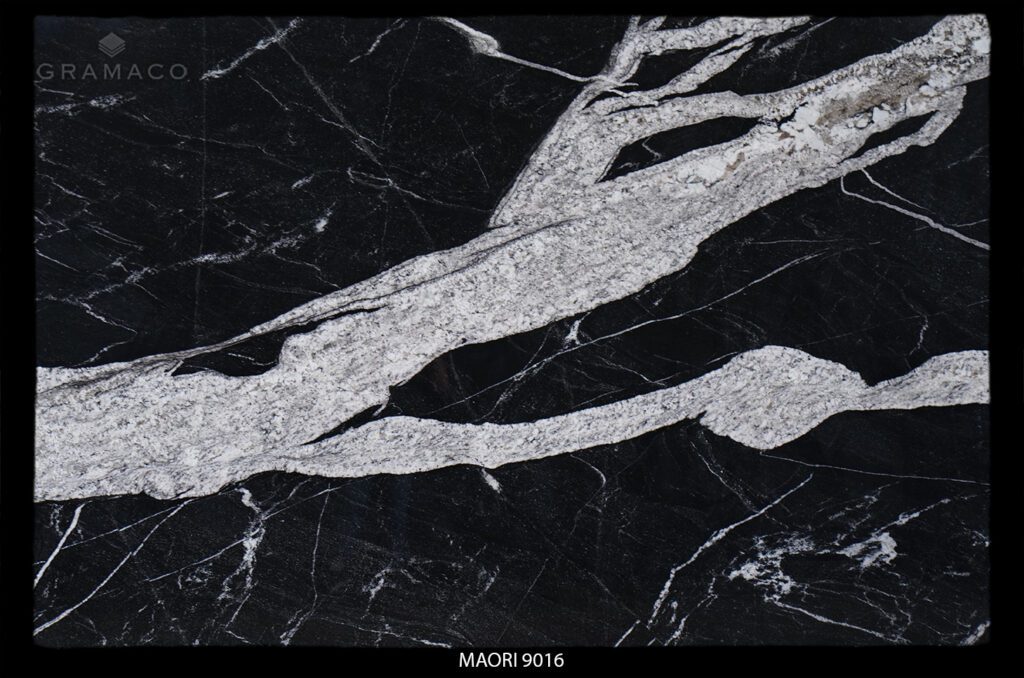 Maori
Maori