
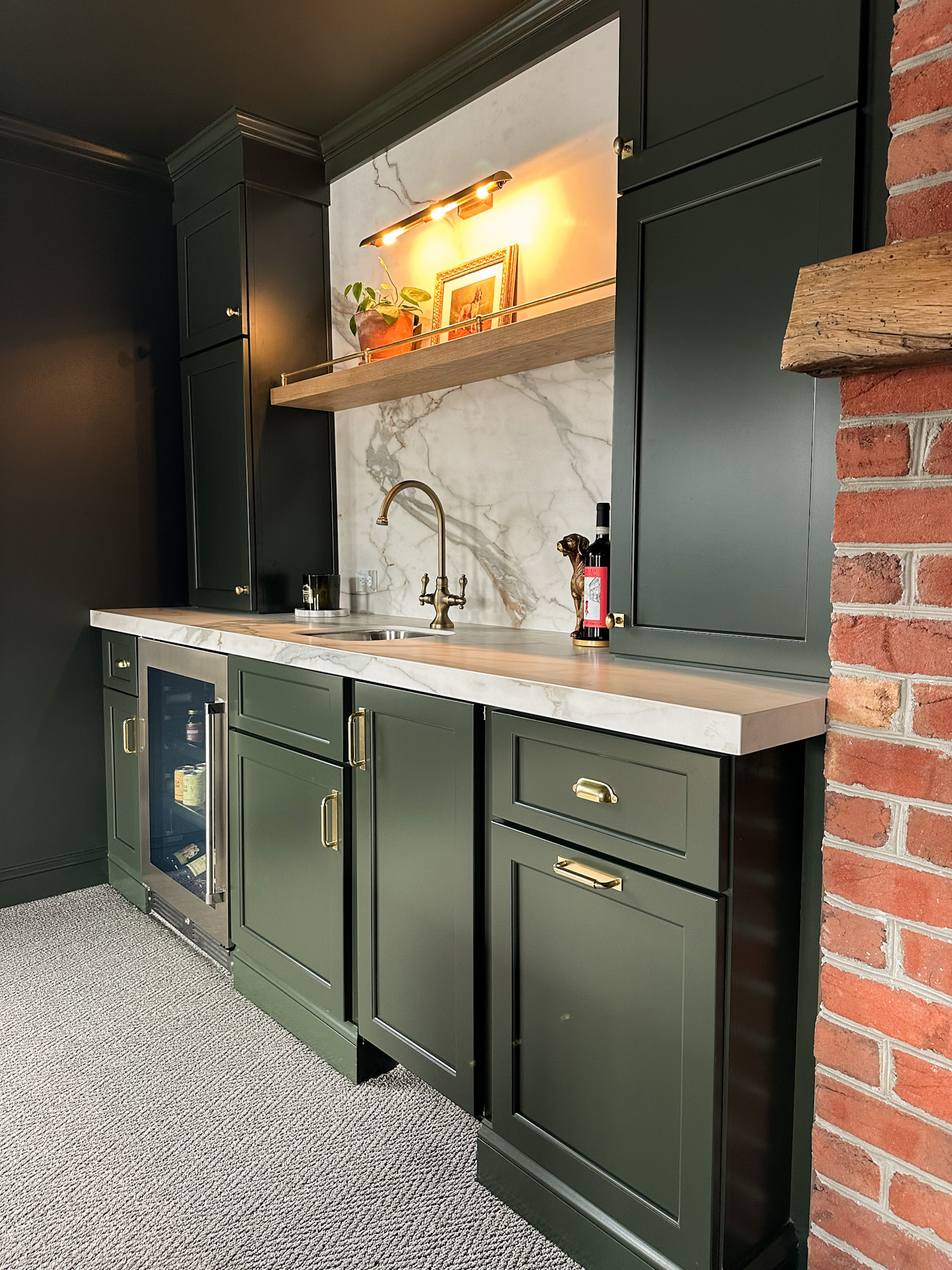
Porcelain Countertop Care Guide
One of the toughest surfaces in the kitchen, with almost no upkeep. Here's the little it needs, and the one thing to protect.
- Every daySoap & water
- WeeklyNon-abrasive cleaner
- NeverSealing or polishing
- ProtectThe edges
Getting to know porcelain.
Porcelain countertops are made from refined clays and minerals fired at very high temperatures into a dense, hard slab. Heat, sunlight, scratches, and stains barely register on it, which is why it works indoors and out.
- Non-porous
Liquids can't soak in, so porcelain doesn't stain the way natural stone can and never needs sealing.
- Heat & UV resistant
Handles hot pans and direct sun without scorching or fading. Trivets still protect seams and edges.
- Scratch resistant
Harder than steel knives. Everyday use won't wear the surface.
The one thing to know: porcelain is hard but thin. Edges and corners can chip from a hard knock, and because the pattern is on the surface, a deep chip can show the body of the slab underneath. Protect the edges, and call us if one chips. [CONFIRM]
Simple care. Nothing to seal.
- Every daySoap & water
Wipe with warm water and a few drops of mild dish soap. Rinse and dry.
- WeeklyDeeper clean
A non-abrasive cleaner labeled safe for porcelain or stone lifts film and keeps the finish even.
- NeverSealing or polishing
Porcelain is non-porous, so sealers and polishes only leave a film.
Your cleaning routine.
Daily cleaning
- Clear the surfaceWipe away crumbs and spills as they happen, before they dry.
- Wash gentlyUse warm water with a few drops of mild dish soap and a soft cloth or non-scratch sponge.
- Rinse and dryWipe with clean water, then dry with a microfiber cloth to prevent streaks and water spots.
Weekly cleaning
Once a week, use a non-abrasive cleaner labeled safe for porcelain or stone. Spray, wipe, then rinse with water and dry.
Matte finishes show more. Honed and matte porcelain can show fingerprints and dried spills more than polished. Rinse and dry after cleaning and they disappear.
Safe to use
- Mild dish soap and warm water
- Non-abrasive cleaners labeled safe for porcelain or stone
- Soft cloths, microfiber, and non-scratch sponges
- Plastic scrapers for dried-on food
Avoid
- Scouring pads, steel wool, and metal scrapers
- Powdered or gritty cleansers
- Products containing hydrofluoric acid (some rust and tile-etch removers)
- Dragging cast iron or rough-bottomed pots across the surface
Rule of thumb: porcelain is forgiving with cleaners. Abrasives and hydrofluoric acid are the two things to keep off it.
No sealer, polish, or wax
Nothing can soak into porcelain, so sealers and polishes sit on top and leave a sticky, dull film.
Edges first
Almost every porcelain repair we see is an edge or corner that took a hard hit. A little care with heavy pots goes a long way.
Protecting your porcelain.
Porcelain shrugs off almost everything. The edges are the one place to pay attention.
Protect the edges
Hard, but thin.
A porcelain slab is a fraction of the thickness of granite, and the color sits on the surface. A hard knock on an edge or corner can chip it, and a deep chip can show the body underneath. Lift heavy pots and cast iron instead of sliding them, and keep dishes clear of the corners.
Trivets at seams
Porcelain handles heat, but trivets protect seams and edges from sudden temperature change.
Use a cutting board
Porcelain won't scratch, but it will dull your knives.
Don't stand on it
Never stand or kneel on countertops, or load unsupported overhangs.
Do's & don'ts.
A few simple habits keep your countertops looking brand new.
Do
- Clean daily with mild dish soap and warm water, then rinse and dry.
- Use a cutting board. Porcelain is hard enough to dull your knives.
- Use trivets or hot pads to protect seams and edges.
- Lift heavy pots and cast iron. Don't slide them.
- Wipe up spills before they dry, especially on matte finishes.
- Call GranitePro with any questions or concerns.
Don't
- Strike edges and corners with heavy pots, cast iron, or dishes. Edges can chip.
- Use scouring pads, steel wool, or gritty cleansers.
- Use rust or tile-etch removers that contain hydrofluoric acid.
- Stand, kneel, or sit on countertops, or put heavy weight on unsupported overhangs.
- Apply sealers, polishes, or waxes.
- Try DIY chip or damage remedies. Contact us first.
24h
The same-day rule
Porcelain won't absorb a spill, but dried-on food and dark liquids on a matte finish take more effort to remove. A quick wipe the same day keeps it simple.
Marks, spots & chips.
Most marks on porcelain sit on the surface, not in it. The first step is identifying what you're looking at.
Spilled something? Do this now.
Blot it, don't wipe it around. Wash with warm soapy water, rinse, and dry. If a mark remains, send us a photo before trying anything else.
| What you see | Likely cause | What to do |
|---|---|---|
| Dried-on food or grease | Spills left to harden | FixLay a warm, wet cloth on it for 5–10 minutes, lift with a plastic scraper, then wash with soap and water. |
| Gray or black lines | Metal from pots, pans, rings, or utensils | FixRub gently with a white pencil eraser, or a non-abrasive cleaner on a soft cloth. Rinse well. |
| White rings or cloudy spots | Hard water minerals around sinks and faucets | FixClean with a non-abrasive stone cleaner, then rinse and dry. |
| Hazy, dull, or streaky film | Cleaner or soap residue | FixWash with warm water, rinse, and buff dry with a microfiber cloth. |
| Chip on an edge or corner | Impact from cookware or heavy items | FixSave the chip if you find it, and send us a photo. We'll tell you what can be done. [CONFIRM] |
Found a chip? Do this.
- Save the piece
If the chip is in one piece, keep it. It helps with a cleaner repair.
- Send us a photo
Email a photo and the size of the chip to info@graniteproremodeling.com.
- Keep the edge safe
Avoid knocking the same spot until we've looked at it.
- We'll advise
We'll tell you whether it can be filled and blended, and what it costs. [CONFIRM]
What we recommend.
- Cleaner · WeeklyStone Care InternationalGranite, Quartz & Stone Daily Cleaner
A non-abrasive spray that cleans and degreases porcelain and stone without leaving residue behind. [CONFIRM]
- Stubborn marks · As neededBar Keepers FriendSoft Cleanser (Liquid)
For metal marks and stubborn food stains. Use the liquid only, never the powder. Apply with a soft, damp cloth, rub gently, then rinse and dry. [CONFIRM]
We're here for the life of your countertops.
“If something isn't right, we'll make it right. Our relationship doesn't end on installation day.”
Other care guides.


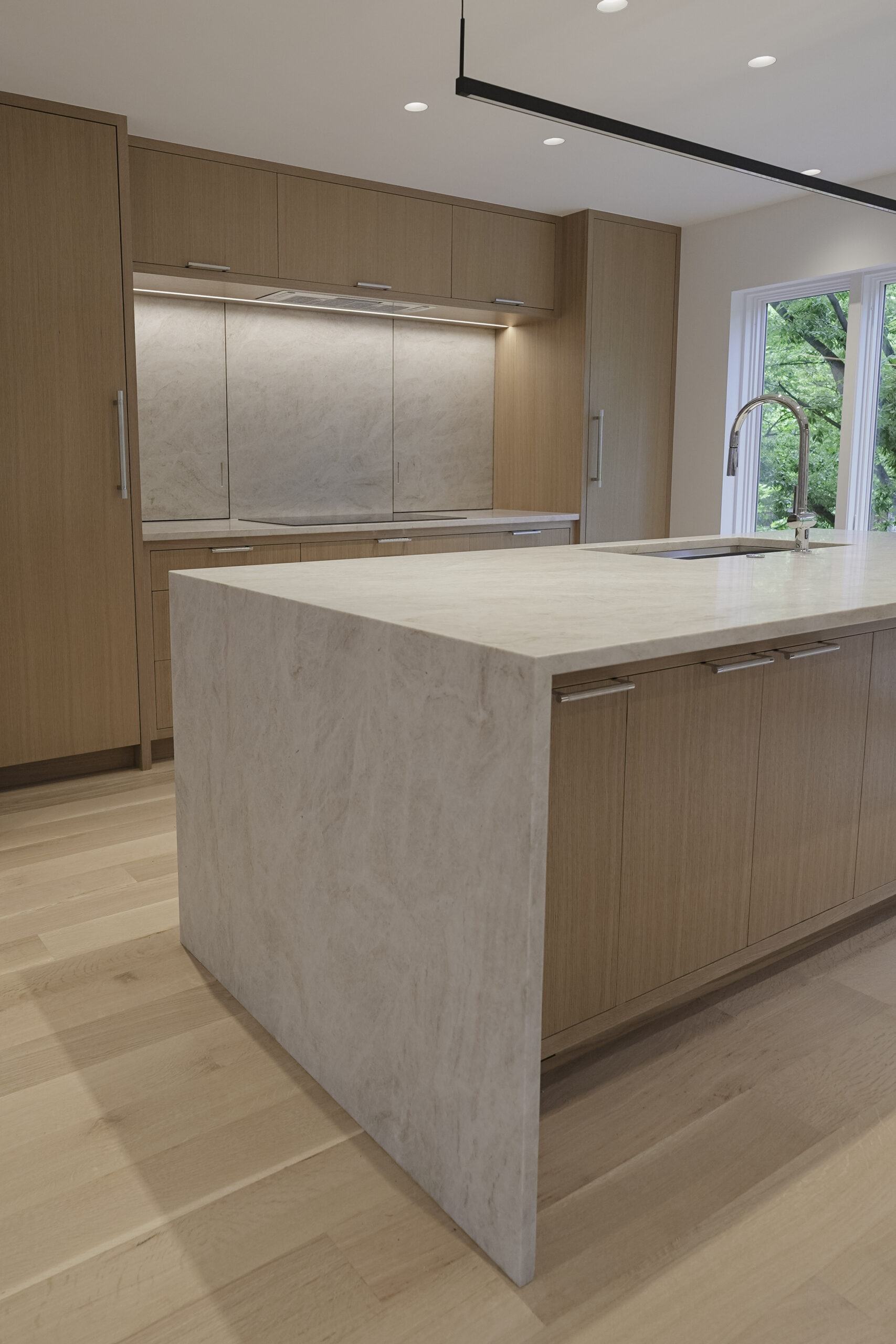
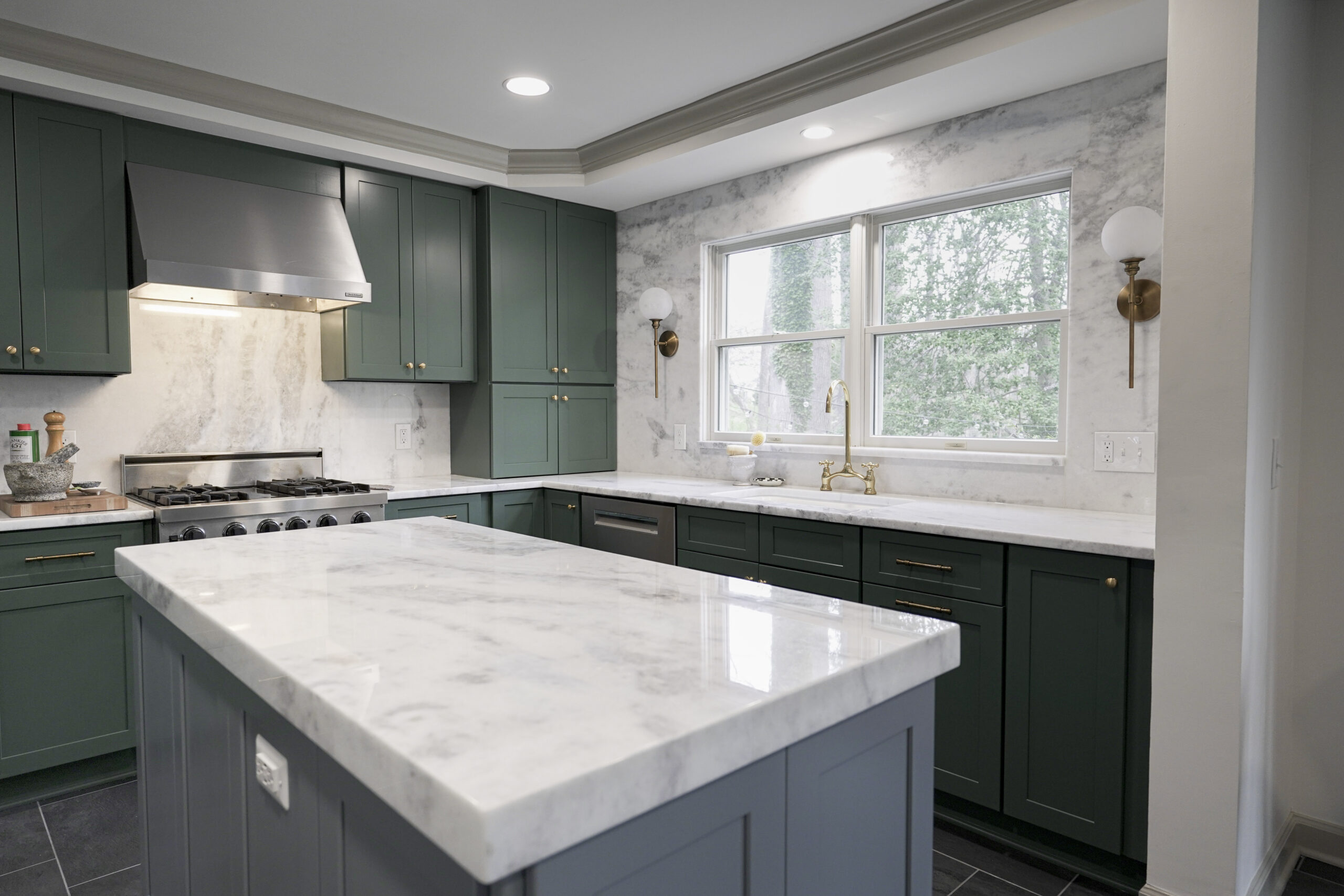
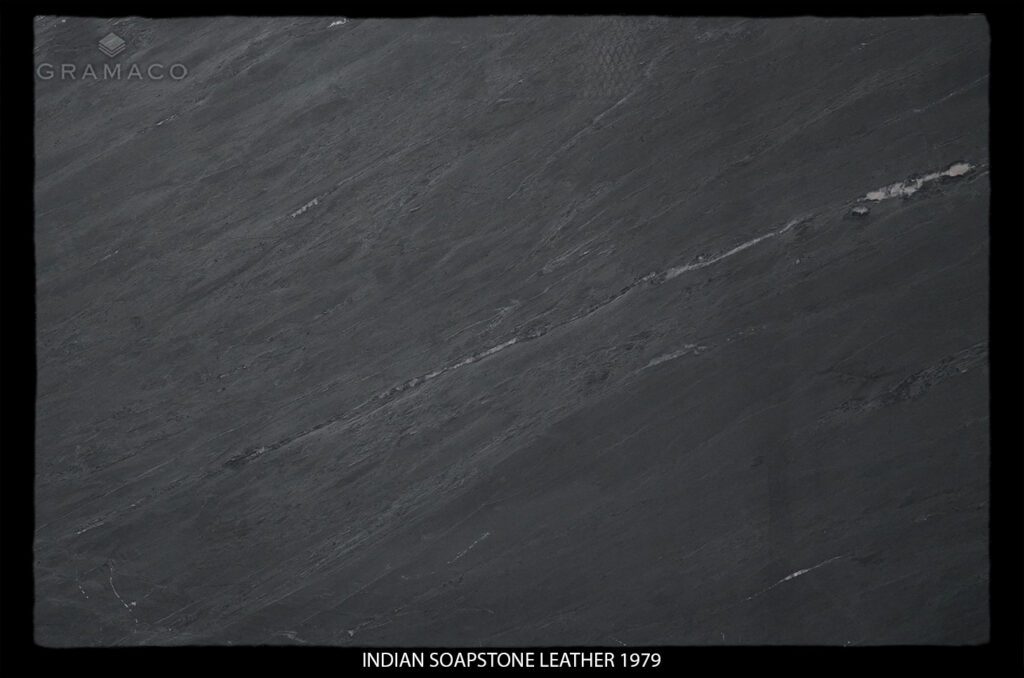
Porcelain care questions.
Don't see yours? Call (410) 875-7579 and ask a real person.
Does porcelain need to be sealed?
No. Porcelain is non-porous, so a sealer has nothing to soak into. Sealers and polishes only leave a film.
Can I put hot pans on porcelain?
Porcelain handles heat very well, but use trivets or hot pads anyway to protect seams and edges.
Will porcelain scratch?
It's harder than steel knives, so everyday use won't scratch it. Use a cutting board to keep your knives sharp.
What should I clean porcelain with?
Warm water and mild dish soap every day, then rinse and dry. Once a week, a non-abrasive cleaner labeled safe for porcelain or stone.
Can a chip be repaired?
Often, yes. Save the chip if you find it and send us a photo. We'll tell you what can be done. [CONFIRM]
Can I use bleach or vinegar on porcelain?
Diluted household cleaners are generally fine on porcelain. The two things to avoid are abrasives and anything containing hydrofluoric acid.
Is porcelain okay outdoors?
Yes. It's UV stable, so it won't fade in the sun, and it handles heat and weather well.
Planning another project?
Book a free in-home estimate. We measure, help you choose, and give you a clear price. No pressure, no obligation.
Request your free estimate
Takes about a minute.
- Free in-home measure
- A designer helps you choose the right material
- Free undermount sink with every kitchen quote
- Most countertops replaced in 1 day
- 10-year labor warranty