
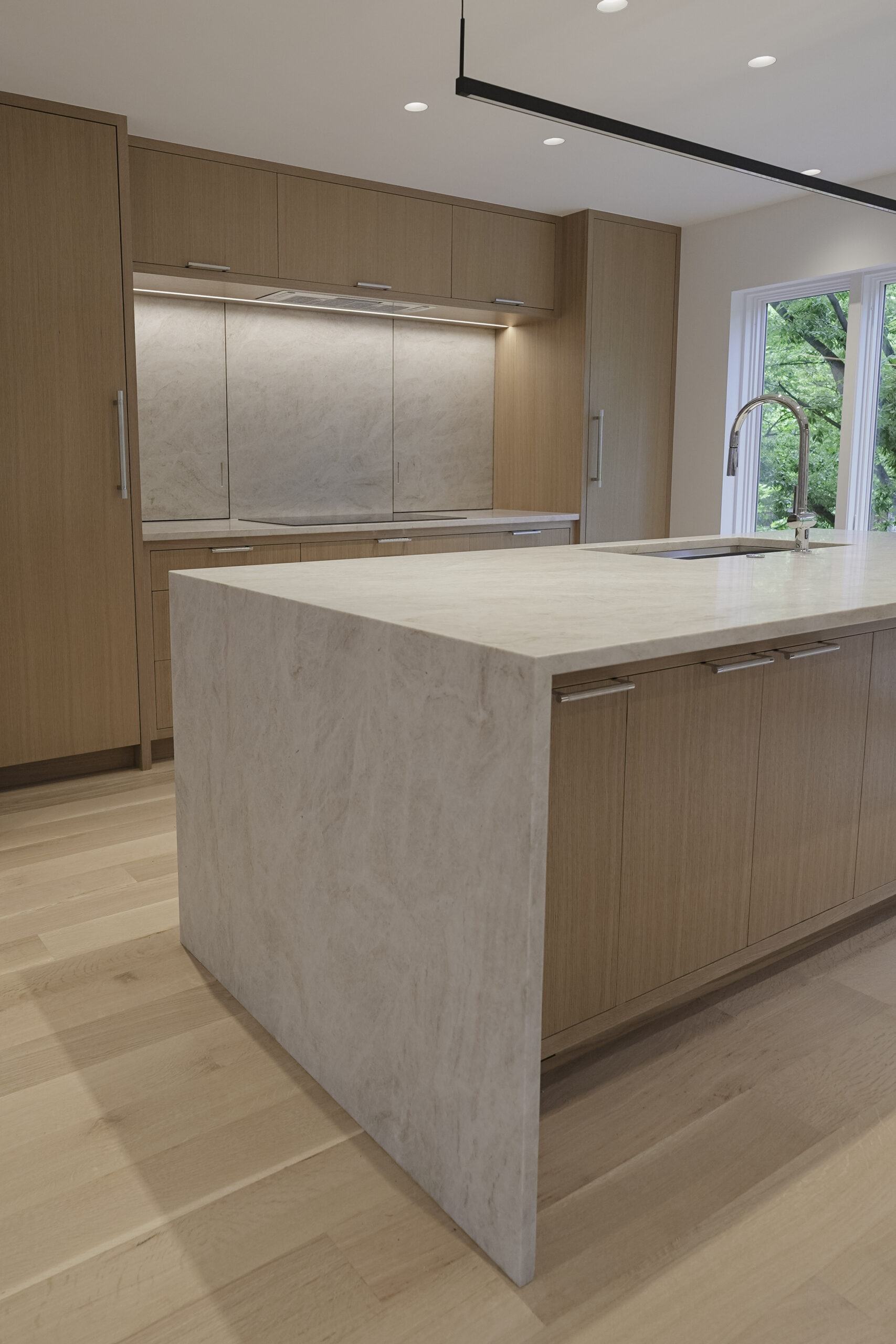
Quartzite Countertop Care Guide
What makes your stone special, how to keep it protected, and exactly how often yours needs sealing.
- Every daySoap & water
- WeeklypH-neutral stone cleaner
- Every yearWater test
- First 3 yearsResealing covered
Getting to know quartzite.
Quartzite forms when quartz-rich sandstone is transformed by intense heat and pressure deep in the earth. The result is one of the hardest natural stones used in kitchens, with the soft, flowing look many homeowners love in marble.
- Very hard
Around 7 on the Mohs hardness scale, harder than a steel knife blade and highly scratch resistant.
- Acid resistant
True quartzite does not etch from lemon, vinegar, wine, or tomato the way marble does.
- Heat tolerant
Handles everyday kitchen heat well, though trivets are still recommended to protect seams and edges.
The one thing to know: porosity varies from stone to stone. Some quartzites are so dense they almost never absorb anything. Others are more open and will soak up oil or wine if the sealer wears down. That's why your sealing schedule depends on which quartzite you chose.
Three habits. A lifetime of beauty.
- Every daySoap & water
Wipe with warm water and a few drops of mild, oil-free dish soap. Dry with a soft towel.
- WeeklyStone cleaner
A pH-neutral cleaner made for granite and natural stone lifts soap film and protects your sealer.
- Every yearWater test
A quick check that tells you when it's time to reseal. Your stone type sets the typical schedule.
Your cleaning routine.
Daily cleaning
- Clear the surfaceWipe away crumbs and spills as they happen.
- Wash gentlyUse warm water with a few drops of mild dish soap and a soft cloth or non-scratch sponge.
- Wipe dryDry with a paper towel or microfiber cloth to prevent water spots and soap film.
Weekly cleaning
Once a week, use a pH-neutral "granite & stone" cleaner, available at most grocery and hardware stores. It removes soap film and tougher spills without wearing down your sealer.
Check your soap label. Some "natural," organic, or moisturizing soaps contain plant oils that can slowly darken more porous quartzites.
Safe to use
- Mild, oil-free dish soap and warm water
- pH-neutral cleaners labeled safe for granite or natural stone
- Soft cloths, microfiber, and non-scratch sponges
Avoid
- Bleach, ammonia, vinegar, and citrus cleaners, which break down sealer
- Glass, bathroom, and all-purpose sprays
- Scouring powders, scrub pads, and melamine "erasers"
- Stone polishes, waxes, and oil soaps
Rule of thumb: if a product doesn't say it's safe for granite or natural stone, don't use it on your countertops.
Why we skip "polish" products
Polishes leave a residue that builds up over time, trapping dirt and making the stone look dull. It can be removed, but it's far better to avoid.
Tiny pits are normal
Many quartzites are finished with a clear resin that fills natural pits. A few very small pits may reappear over time. It's a natural trait that doesn't affect durability.
How often does your stone need sealing?
Every quartzite is sealed at installation. How long that protection lasts depends on the density of your particular stone.
Lower maintenance · DenseReseal less often
- Taj Mahal
- Cristallo
- Madre Perla
- Fusion
Tight, crystalline stones that naturally resist absorbing liquids.
Typical schedule: reseal every 3–5 years, or whenever the water test shows darkening.
Higher maintenance · PorousReseal more often
- White Macaubas
- White Lux
- Calacatta Macaubas
- Azul Macaubas
- Infinity White
More open stones, often bright whites and "Calacatta-look" quartzites, that can absorb oil and wine quickly when unprotected.
Typical schedule: reseal every 1–2 years. Water test every few months.
Varies by slabMont Blanc, Sea Pearl, Perla Venata, and others
These and many other quartzites can be dense in one slab and more absorbent in the next. Treat them as higher maintenance until the water test tells you otherwise.
The water test
Place a few drops of water on a busy area, near the sink or cooktop, and watch.
- Beads up
After 15 minutes, no darkening. Your sealer is working.
- Darkens slowly
Darkens after 5–15 minutes. Plan to reseal soon.
- Darkens fast
Darkens within a few minutes. Time to reseal, so call us.
Don't see your stone listed?
Email info@graniteproremodeling.com or give us a call and we'll send you the proper sealing schedule for your countertops.
Resealing is covered
The GranitePro 10-Year Warranty Program covers any necessary resealing for the first 3 years. Honed and leathered finishes may need sealing more often than polished.
We handle it
No need to buy sealer or do it yourself. Let us know when it's time and we'll take care of it.
Do's & don'ts.
A few simple habits keep your countertops looking brand new.
Do
- Clean daily with mild, oil-free dish soap and warm water.
- Use a cutting board. Quartzite is hard enough to dull your knives.
- Keep oil bottles on a small plate or tray when not in use.
- Wipe up oil, wine, coffee, and juice promptly, especially on porous stones.
- Use coasters under glasses and mugs.
- Use trivets or hot pads under hot pots, pans, and appliances.
- Do the water test yearly, and every few months for porous stones.
- Call GranitePro with any questions or concerns.
Don't
- Leave oil or cooking messes sitting overnight.
- Use cleaners with bleach, ammonia, acids, or abrasives.
- Set hot cookware directly on the stone, and never over a seam.
- Stand, kneel, or sit on countertops, or put heavy weight on unsupported overhangs.
- Strike edges and corners with heavy pots or cast iron. Edges can chip.
- Leave fruit to ripen on the stone. Juices from overripe fruit can stain.
- Try DIY stain or damage remedies. Contact us first and we'll give you the right fix.
24h
The same-day rule
If it spilled today, clean it today. Oils and dark liquids only cause problems when they're left to sit. A quick wipe after cooking prevents nearly every stain.
Spills, spots & stains.
Most marks on quartzite can be resolved. The first step is identifying what you're looking at.
Spilled something? Do this now.
Blot oil, wine, and coffee right away, don't wipe it around. Wash with warm soapy water, rinse, and dry. If a dark spot remains after it dries, send us a photo before trying anything else.
| What you see | Likely cause | What to do |
|---|---|---|
| Dark spot or ring that doesn't fade | Cooking oil, grease, butter, lotion | StainSend us a photo. Usually removed with a poultice. |
| Brown, pink, or tan discoloration | Red wine, coffee, tea, fruit, food coloring | StainSend us a photo. Usually removed with a poultice. |
| Dark area that fades as it dries | Water from the sink or dishwashing | NormalIf it happens often, it's time to reseal. |
| Dull or rough patch | Acid on a stone with carbonate minerals | EtchUncommon on true quartzite. Contact us so we can take a look. |
| Small chip on an edge | Impact from cookware or heavy items | FixSave the chip if you find it. We can repair most chips, so call us. |
| Cloudy or hazy film | Soap buildup or polish residue | FixClean with a pH-neutral stone cleaner. Call us if it persists. |
Removing a stain, step by step.
- Send us a photo
Email a photo and a short note on what you think caused it to info@graniteproremodeling.com. We'll reply within 24 hours.
- Get the right product
In most cases we'll recommend MB Stone Care Stain Reaper Poultice Paste and confirm it's right for your stain.
- Apply and wait 48 hours
Spread a thick layer over the stain, extending slightly past its edges. Let it sit 48 hours until completely dry.
- Remove and inspect
Gently wipe away the dried paste and clean any residue with your stone cleaner. The spot may look dark for a few hours while it dries. If any stain remains, repeat step 3.
What we recommend.
- Cleaner · WeeklyStone Care InternationalGranite, Quartz & Stone Daily Cleaner
A pH-neutral spray that cleans and degreases sealed natural stone without leaving residue or wearing down your sealer.
- Stain remover · As neededMB Stone CareStain Reaper Poultice Paste
A ready-to-use poultice that draws oil and organic stains out of the stone. Please contact us before using it so we can confirm it's the right fix.
We're here for the life of your countertops.
“If something isn't right, we'll make it right. Our relationship doesn't end on installation day.”
Other care guides.


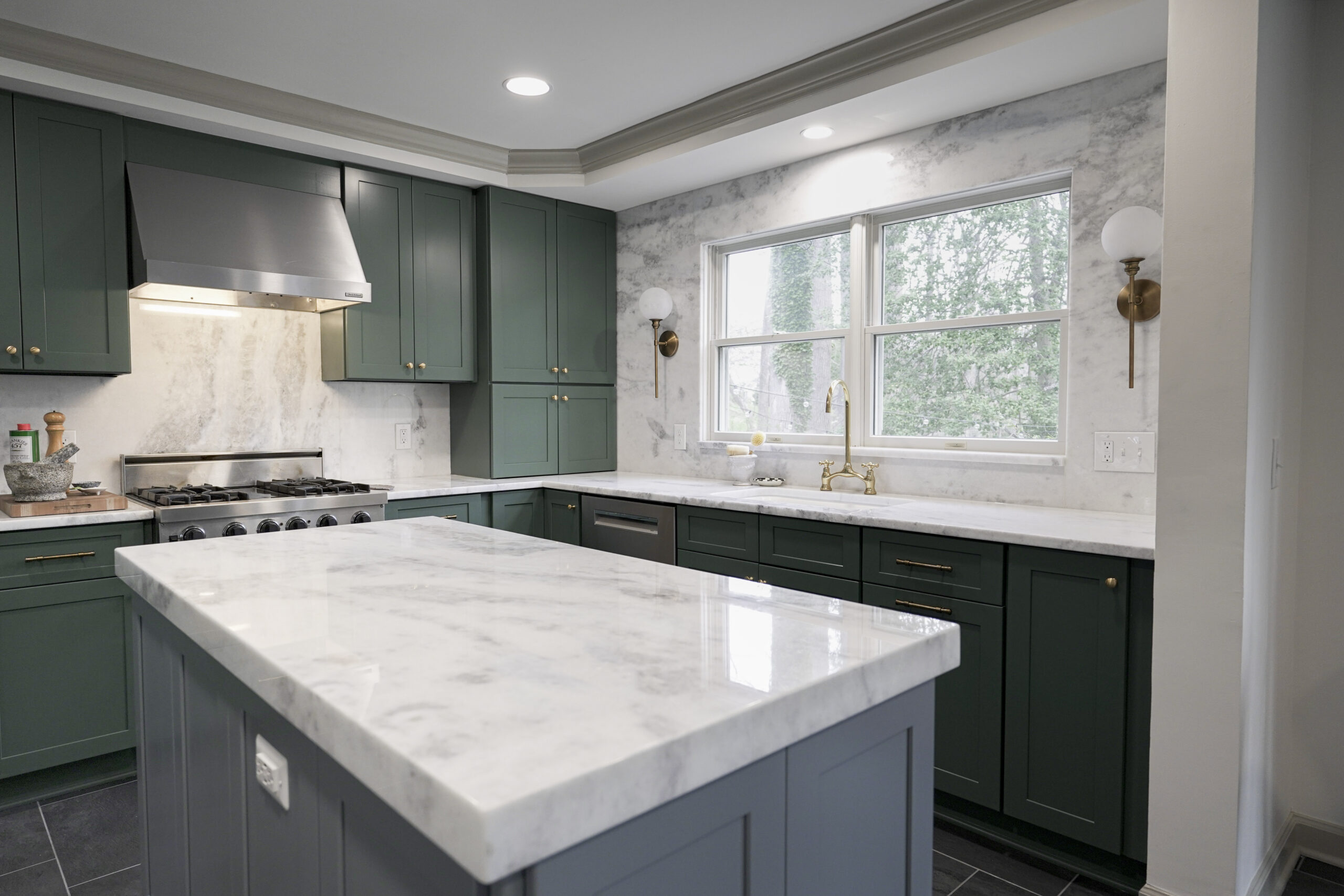
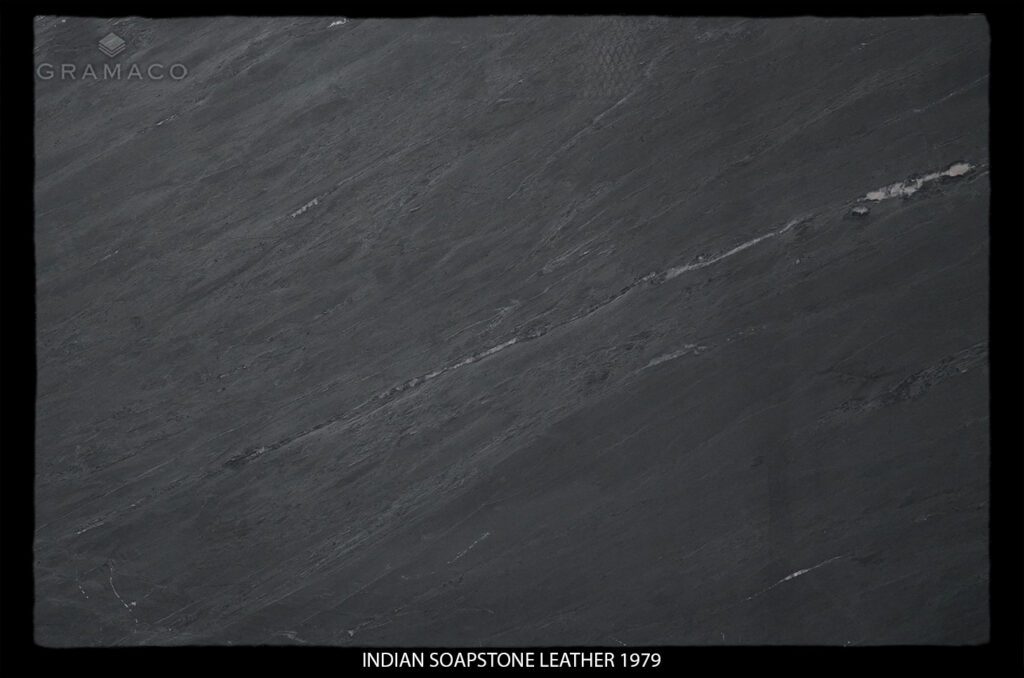
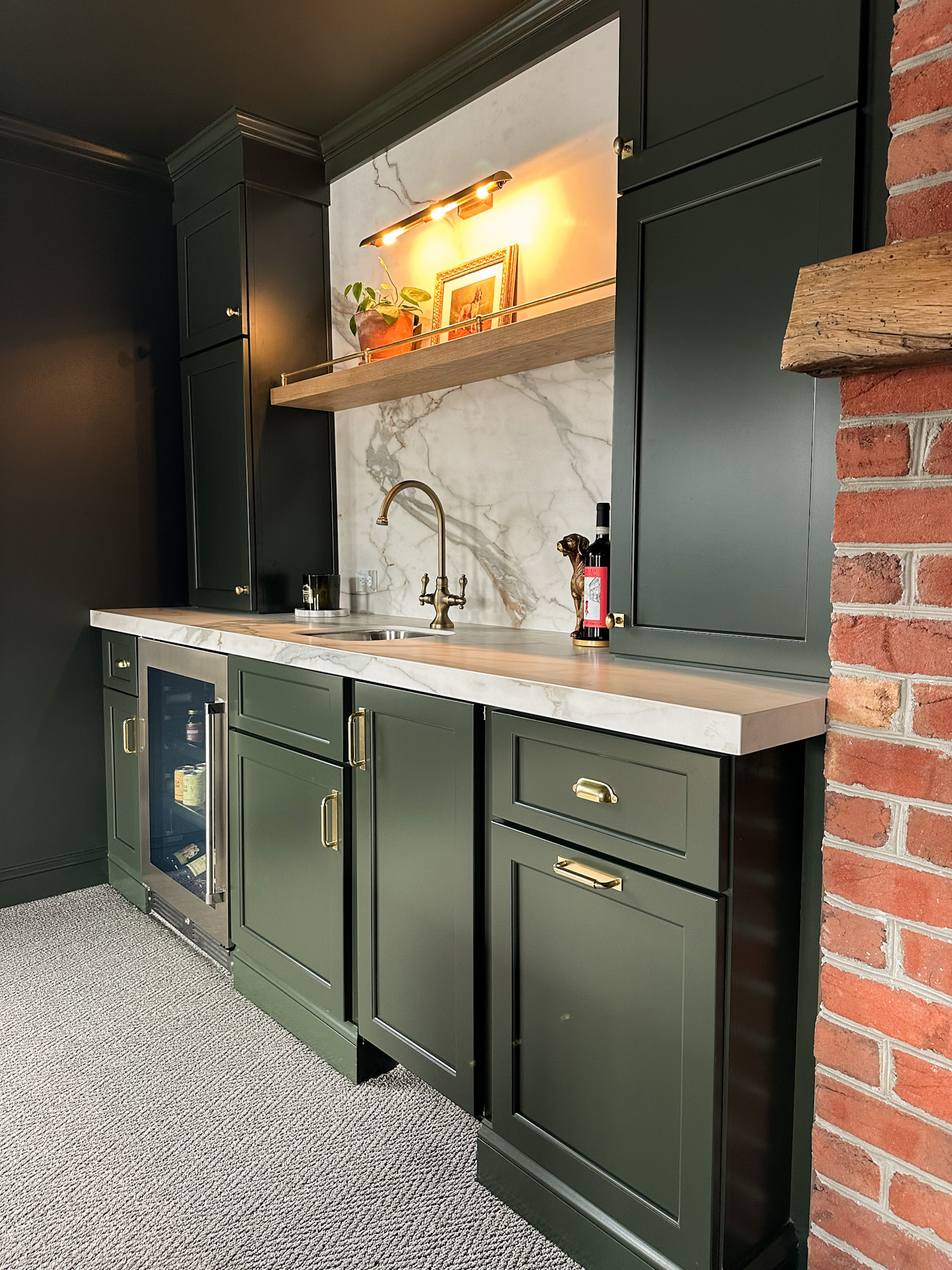
Quartzite care questions.
Don't see yours? Call (410) 875-7579 and ask a real person.
How often should I seal quartzite?
It depends on your stone. Dense quartzites like Taj Mahal, Cristallo, Madre Perla, and Fusion usually need resealing every 3–5 years. More porous stones like White Macaubas, Calacatta Macaubas, and Infinity White usually need it every 1–2 years.
How do I know when to reseal?
Do the water test. Place a few drops of water near the sink or cooktop. If it beads up after 15 minutes, your sealer is working. If it darkens within a few minutes, it's time to reseal.
Is resealing covered?
Yes. The GranitePro 10-Year Warranty Program covers any necessary resealing for the first 3 years. Honed and leathered finishes may need sealing more often than polished.
Will lemon or vinegar etch quartzite?
True quartzite does not etch from lemon, vinegar, wine, or tomato the way marble does. If you see a dull or rough patch, contact us so we can take a look.
My stone isn't listed. What's my sealing schedule?
Email info@graniteproremodeling.com or give us a call and we'll send you the proper sealing schedule for your countertops.
What should I clean quartzite with?
Warm water and mild, oil-free dish soap every day, and a pH-neutral "granite & stone" cleaner once a week. Skip bleach, ammonia, vinegar, and citrus cleaners.
Are the tiny pits in my quartzite normal?
Yes. Many quartzites are finished with a clear resin that fills natural pits, and a few very small pits may reappear over time. It doesn't affect durability.
Planning another project?
Book a free in-home estimate. We measure, help you choose, and give you a clear price. No pressure, no obligation.
Request your free estimate
Takes about a minute.
- Free in-home measure
- A designer helps you choose the right material
- Free undermount sink with every kitchen quote
- Most countertops replaced in 1 day
- 10-year labor warranty